

Model comparison
Ford F-150 vs Ram 1500
68% vs 62% estimated value retained after five years
See the comparisonThe Ram 1500 market has a complication its rivals do not: the older-body Ram 1500 Classic continued alongside the fifth-generation truck introduced for 2019. A year and trim label therefore may not identify the body or technology you think it does. Across 1,610 listings, our fitted curve estimates 38.1% depreciation after five years. The sample also marks roughly 20% of listings as hybrid, a category that can include eTorque mild-hybrid systems rather than a conventional full hybrid. Decode the truck before comparing the price.
Compare With
Open a side-by-side comparison of five-year value retention, depreciation by model year, used asking prices, repair costs, MPG and safety data.
Model comparison
68% vs 62% estimated value retained after five years
See the comparison
Model comparison
64% vs 62% estimated value retained after five years
See the comparison
Model comparison
65% vs 62% estimated value retained after five years
See the comparison| Model year | Depreciation from MSRP |
|---|---|
| 2026 | 12.7% |
| 2025 | 25.1% |
| 2024 | 22.9% |
| 2023 | 24.7% |
| 2022 | 35.7% |
| 2021 | 30.5% |
| 2020 | 27.1% |
| 2019 | 39.2% |
| 2018 | 51.1% |
| 2017 | 54.4% |
| 2016 | 57.0% |
| 2015 | 62.0% |
Based on 1,079 real used-car listings. Each listing's price is adjusted to a standard 12,000 mi/year for its age and compared to the vehicle's original MSRP; figures reflect a 5% asking-to-sale estimate.
The buying decision
Our best all-around value pick is the 2021 Ram 1500. Its all-trim median is only $9,225 more than the 2020 while average mileage is about 20,184 miles lower. Buyers who can spend more should compare 2023 as well: it asks $1,011 more than 2022 with roughly 24,629 fewer average miles. First confirm whether a listing is the fifth-generation body or a Ram 1500 Classic, then match engine, cab, bed, drivetrain, and trim.
Best near $20k
Target trim: Express or Big Horn
Model-year sample across all trims.
The 2018 is the final pre-overlap year in this dataset and currently asks $218 more than 2017. It does carry about 9,358 more average miles, so its advantage is the newer badge at roughly the same price, not lower use.
Tradeoff: Average mileage is above 100,000. Inspect maintenance, frame and underbody condition, drivetrain operation, modifications, towing history, and corrosion before prioritizing trim features.
Best overall value
Target trim: Big Horn or Laramie
Model-year sample across all trims.
The 2021 sits inside the fifth generation and currently costs only $9,225 more than 2020 while averaging about 20,184 fewer miles. Big Horn is the broad value baseline; Laramie is worthwhile when its comfort equipment survives the used-price comparison.
Tradeoff: Verify that the listing is the newer-body truck, then match engine, eTorque equipment, cab, bed, drivetrain, axle, and packages. The year median blends all of them.
Best lower-mileage step
Target trim: Big Horn or Laramie
Model-year sample across all trims.
The 2023 median is $1,011 more than 2022 while its sample averages about 24,629 fewer miles. That is the strongest newer-truck step before the 2025 engine and trim reset pushes the observed price ceiling sharply higher.
Tradeoff: The $1,500-level year gap is small relative to engine, equipment, dealer fees, tires, and condition. Compare exact builds and total transaction cost.
Generation context
A 2019-or-newer model year does not automatically mean the fifth-generation body because Ram sold the Classic alongside the redesigned truck.
2015-2018
Fourth-generation core
Median asking prices run from $16,120 to $20,089, with average mileage spanning 104,676 to 130,181 miles.
These trucks predate the fifth-generation launch and occupy the lowest price band in this dataset. They now trade on maintenance, rust exposure, modifications, work or towing history, and mechanical condition. The 2018 median is slightly below 2017, but its sample also carries more miles.
Stellantis: all-new fifth-generation 2019 Ram 1500 design2019-2024
Fifth generation plus Classic
Median asking prices run from $26,900 to $44,998, with average mileage spanning 29,491 to 95,802 miles.
Ram introduced the redesigned fifth-generation 1500 for 2019 while continuing the prior body as Ram 1500 Classic. Listing feeds do not always normalize that distinction cleanly. Confirm body, VIN, interior, engine, and equipment before using a model-year average or comparing two trucks.
Stellantis: all-new fifth-generation 2019 Ram 1500 design2025-present
Powertrain and trim reset
Median asking prices run from $49,613 to $62,002, with average mileage spanning 354 to 24,208 miles.
The 2025 update introduced the Hurricane straight-six engine family and new premium and performance variants. Ram then returned a HEMI V8 option for 2026. The current near-new sample is expensive and heavily configuration-dependent, so compare complete window stickers and new-truck quotes.
Stellantis: 2025 Ram 1500 and Hurricane engine familySame-horizon comparison
These model-level curves use one five-year horizon and methodology. Truck configuration, incentives, and original-price range remain major uncontrolled differences.
The Ram 1500 loses more value in this fitted comparison: 5.6 percentage points more than the F-150 and 1.6 points more than the Silverado 1500. That can create a lower used entry price, which may benefit a second owner. Compare purchase price, condition, equipment, and expected operating costs rather than rejecting or choosing the truck on resale percentage alone.
Retains about 67.5% after five years
Retains about 63.6% after five years
Retains about 61.9% after five years
Curves do not normalize Classic versus new body, engine, cab, bed, drivetrain, fleet use, incentives, financing, fuel, insurance, or maintenance.
Truck-first strategy
Body family, engine, eTorque system, cab, bed, drivetrain, and axle come before leather, screens, or appearance packages.
Classic vs. new body
Confirm the VIN, body, dashboard, and listing designation. A Ram 1500 Classic and fifth-generation Ram 1500 from the same model year are different products and should not share a pricing comparison.
Tradesman / Big Horn
Verify cab, bed, drivetrain, axle ratio, payload label, and towing equipment. Big Horn adds common comfort features, but capability must fit the use case before options matter.
Laramie / Limited
Upper trims can be attractive after depreciation, but more equipment also means more systems to inspect. Compare the used premium with the features you value and their condition.
Rebel / RHO
Suspension, tires, engines, original prices, and prior use make these poor comparables for a standard Big Horn. Inspect underbody use, modifications, alignment, and tire costs.
Before you commit
A complete build sheet and truck-specific inspection are essential when two body families and several powertrain strategies share one nameplate.
Use VIN and build information, not only the year and seller title. This distinction changes cabin, structure, equipment, original price, and the correct comparison set.
Verify every capability-related option from the original sticker. A generic hybrid label does not explain whether the truck uses eTorque, and a trim badge does not reveal axle or tow packages.
Use the yellow door-jamb payload label. Inspect hitch, bed, frame, underbody, suspension, tires, leaks, modifications, and corrosion for evidence of work, towing, or off-road use.
Verify recall applicability and completion through NHTSA or Ram, then review powertrain, fluid, software, and repair records for the exact truck.
Analyst notes
The Classic overlap, eTorque labels, and near-new trim reset create three separate sources of false precision.
01
Later Ram 1500 Classic inventory can be grouped beside fifth-generation trucks from the same year. Until body family is decoded, a year median can compare different structures, cabins, equipment, and original prices.
02
About 20.4% of these listings are marked hybrid. That label should not be interpreted as a conventional full-hybrid population or used to make a resale claim without VIN-level powertrain normalization.
03
The median rises from about $39,868 in 2024 to $49,613 in 2025, then the 2026 sample averages only 354 miles. New engines, premium trims, performance models, and effectively new inventory make those years poor generic comparables.
Estimated value of a typical Ram 1500 as it ages, from a ~$64,880 new price. We start at age two because near-new asking prices are too noisy to treat as first-year appreciation.
| Age | Retained | Est. value | Lost that year | Total lost |
|---|---|---|---|---|
| 2 yrs | 78% | $50,302 | −$3,911 | −$14,578 |
| 3 yrs | 72% | $46,673 | −$3,629 | −$18,207 |
| 4 yrs | 67% | $43,305 | −$3,368 | −$21,575 |
| 5 yrs | 62% | $40,181 | −$3,124 | −$24,699 |
| 6 yrs | 58% | $37,282 | −$2,899 | −$27,598 |
| 7 yrs | 53% | $34,592 | −$2,690 | −$30,288 |
| 8 yrs | 50% | $32,096 | −$2,496 | −$32,784 |
Interactive tool
Estimate a used 1500's value from its year and mileage, using our depreciation model.
$40,200
about typical mileage
At 60,000 miles (about typical for a 5-year-old car, ~60,000 mi). Estimate only — actual value depends on condition, trim, options, and local demand.
Cost of ownership
The two biggest costs — depreciation and fuel — over five years for a recent model bought new (~$64,880).
Fuel cost from the EPA. Maintenance, insurance, taxes, and financing are additional and vary by driver and location.
Across 1,610 Ram 1500 listings.
Accident-free
81.8%
One-owner
45.5%
Avg owners
1.4
Personal use
63.6%
Certified (CPO)
1.7%
Mileage profile across 1,610 listings.
Over 100k mi
39.2%
Over 150k mi
9.4%
Highest mileage
267,718 mi
Price at 120k+ mi
$16,190
Roughly 39.2% of listed Ram 1500s have crossed 100,000 miles, and 9.4% are past 150,000. That shows there is an active market for high-mileage 1500s; it is not a survival rate or a promise that a specific car will reach either milestone.
| Year | Depreciation | MSRP | Median Price | Listings |
|---|---|---|---|---|
| 2026 | 12.7% | $64,880 | $62,002 | 55 |
| 2025 | 25.1% | $64,195 | $49,613 | 98 |
| 2024 | 22.9% | $58,485 | $39,868 | 58 |
| 2023 | 24.7% | $56,475 | $44,998 | 60 |
| 2022 | 35.7% | $65,985 | $43,987 | 44 |
| 2021 | 30.5% | $43,765 | $36,125 | 77 |
| 2020 | 27.1% | $36,690 | $26,900 | 39 |
| 2019 | 39.2% | $46,440 | $29,262 | 60 |
| 2018 | 51.1% | $36,495 | $20,089 | 137 |
| 2017 | 54.4% | $43,895 | $19,871 | 188 |
| 2016 | 57.0% | $38,705 | $19,494 | 130 |
| 2015 | 62.0% | $39,828 | $16,120 | 133 |
A sample of real listings behind the figures above.
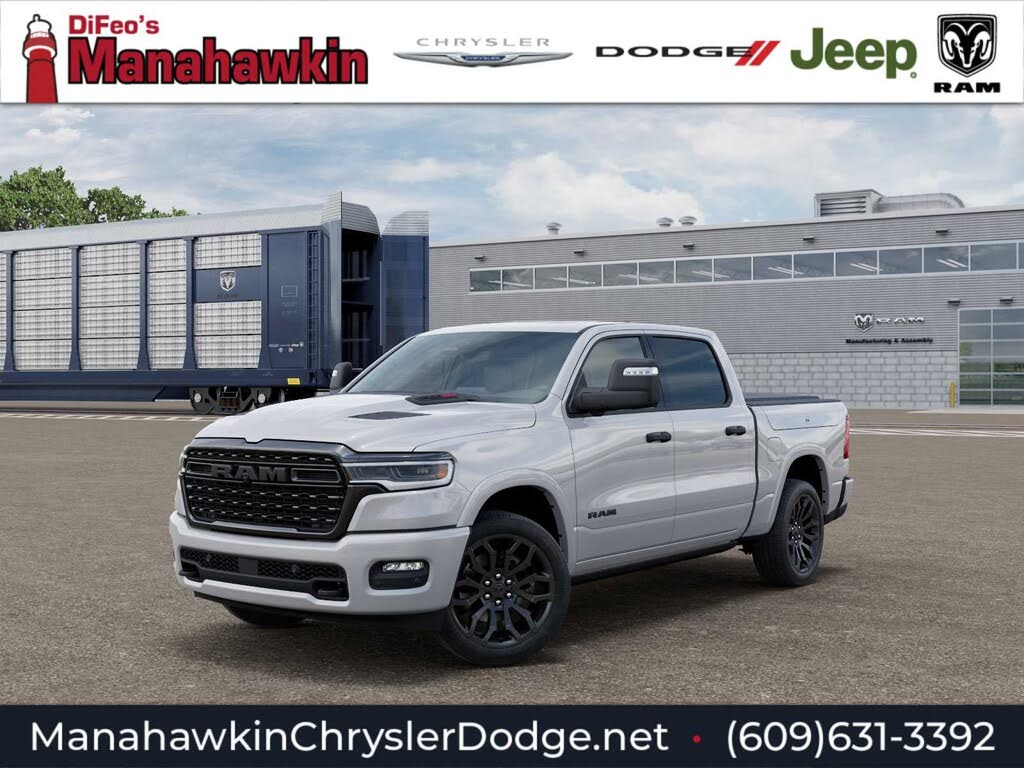
$97,339
2026 Limited Longhorn · White
1 mi · Manahawkin, NJ
View listing →

$38,998
2024 Lone Star · White
2,727 mi · Tallahassee, FL
View listing →
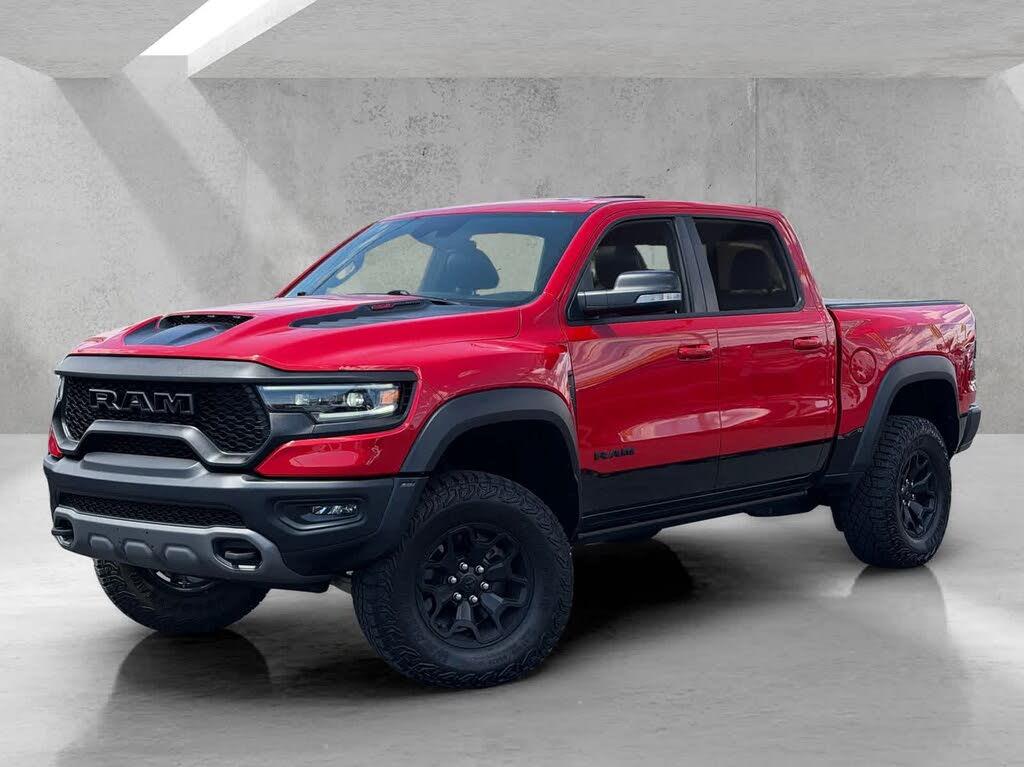
$80,199
2022 TRX · Red
11,411 mi · Las Vegas, NV
View listing →
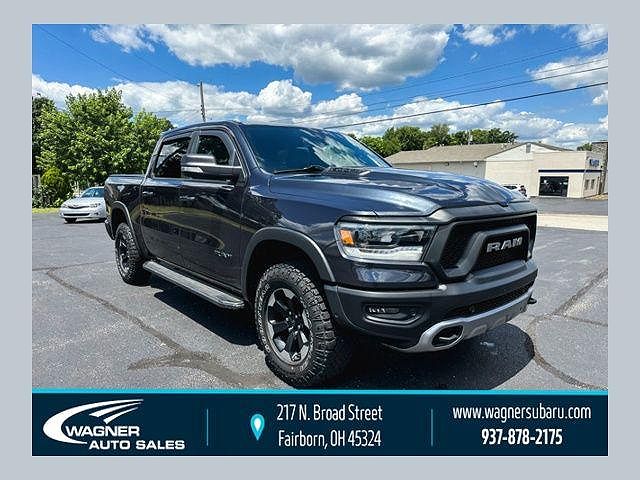
$37,998
2019 Rebel
32,466 mi · Fairborn, OH
View listing →
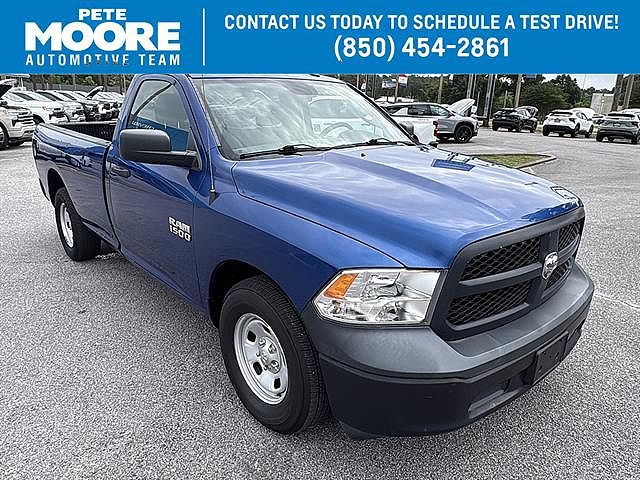
$21,792
2017 Tradesman · Blue
20,017 mi · Pensacola, FL
View listing →

$23,525
2015 SLT · Silver
53,873 mi · Arlington, TX
View listing →
Live dealer listings, refreshed periodically. Prices and availability change.
The 2021 Ram 1500 is our best all-around value starting point. Its all-trim median ask is only $9,225 more than 2020 while average mileage is about 20,184 miles lower. It sits comfortably inside the fifth-generation run before the 2025 powertrain reset. Confirm that the truck is the newer body rather than a Classic, then match engine, eTorque equipment, cab, bed, drivetrain, axle, trim, mileage, history, and condition. The best year filter cannot replace a truck-specific inspection.
Start with a 2018 Express or Big Horn. The current median ask is around $20,089, although average mileage is near 104,676. Express is the simpler price baseline and Big Horn adds common daily-use equipment. At this mileage, prioritize records, frame and underbody condition, drivetrain behavior, cooling, leaks, tires, suspension, modifications, and towing history. Preserve budget for immediate work rather than buying on trim alone.
The 2021 has the stronger numbers in this snapshot. Its median ask is only $9,225 more than 2020 and its listings average about 20,184 fewer miles. Both should be fifth-generation trucks when correctly classified, making the comparison useful. Still match engine, cab, bed, drivetrain, axle, trim, and packages, and verify that neither listing is a Ram 1500 Classic. Use 2021 as the preferred search filter, then let records, inspection, exact capability, and out-the-door price decide.
The data favors 2023 for buyers who can absorb a median premium of $1,011 more than 2022. The 2023 listings average about 24,629 fewer miles, a meaningful usage difference. The year gap is still smaller than many engine, trim, package, and condition differences. Compare the same body family, powertrain, cab, bed, drivetrain, and equipment. A cleaner or better-optioned 2022 can win, but 2023 is the stronger first search when configurations and transaction terms remain similar.
This dataset cannot isolate that effect. Listing feeds may label eTorque-equipped trucks as hybrid, but the eTorque mild-hybrid system appears across different engines, years, bodies, trims, and original prices. A blended retention comparison would mostly measure those differences. Compare same-year trucks with the same engine, cab, bed, drivetrain, trim, mileage, and condition, then verify the exact eTorque equipment and service history. Value its operating characteristics for your use case rather than assuming the label guarantees a resale premium.
Treat the seller's title as unverified until the VIN and build information identify the truck. The fifth-generation Ram 1500 launched for 2019, while the prior body continued as Ram 1500 Classic, so model year alone cannot separate them. Retrieve the original window sticker or build sheet and confirm the model designation, body, dashboard, exterior, engine, cab, bed, drivetrain, axle ratio, payload label, and packages. Compare photos with official year-specific material, but use VIN data for the final determination. Keep Classic trucks in a pricing set with other Classics and fifth-generation trucks with the newer body. The two groups differ in structure, cabin, equipment, original price, and market position. Also verify whether a listing marked hybrid refers to an eTorque mild-hybrid system and which engine it accompanies. Once identity is established, compare mileage, history, condition, modifications, towing use, dealer fees, and inspection findings. Without this step, a seemingly cheap same-year Ram may simply be a different generation rather than a better deal. Walk away when the seller cannot establish which truck is actually being offered.
39.2% of Ram 1500 listings in this dataset exceed 100,000 miles, while trucks at 120,000 miles or more have a median ask around $16,190. That describes listed inventory, not a survival probability. A high-mileage truck can make sense with complete records, a clean structural and frame inspection, and enough discount for likely work. Inspect powertrain behavior, cooling, leaks, tires, suspension, brakes, towing wear, modifications, and rust before negotiating.
Our mileage-adjusted fitted curve estimates about 38.1% depreciation after five years, leaving roughly 61.9% of original value. The estimate uses 1,610 current listings with a common asking-to-sale adjustment. It is a nameplate trajectory, not a valuation for one truck. Classic versus new body, engine, eTorque, cab, bed, drivetrain, axle, trim, original price, mileage, condition, and use history can all move the result. Calculate expected dollar loss from the exact truck and negotiated price.
Depreciation is computed from 1,079 real used-car listings. Each listing's asking price is normalized to a standard 12,000 miles per year for the vehicle's age, adjusted by a 5% asking-to-sale estimate, and compared against the original base MSRP for that VIN's trim. Headline 1/3/5-year figures reflect a smoothed retention curve fitted across all model years (the typical trajectory); individual years in the table above can run above or below it with market conditions. Full methodology. Updated August 2026.