

Model comparison
Chevrolet Silverado 1500 vs Ford F-150
64% vs 68% estimated value retained after five years
See the comparisonA Ford F-150 price is meaningless until the configuration is known. XL work trucks, family-oriented XLTs, luxury Platinum models, PowerBoost hybrids, and Raptors share a name while differing dramatically in original price and use. Across 2,463 listings, our fitted curve estimates 32.5% depreciation after five years. The sample is unusually performance-heavy, with roughly 15% carrying a Raptor label, so the strongest buying decisions come from matching generation, engine, cab, bed, drivetrain, and trim before comparing price.
Compare With
Open a side-by-side comparison of five-year value retention, depreciation by model year, used asking prices, repair costs, MPG and safety data.
Model comparison
64% vs 68% estimated value retained after five years
See the comparison
Model comparison
68% vs 62% estimated value retained after five years
See the comparison
Model comparison
68% vs 65% estimated value retained after five years
See the comparison| Model year | Depreciation from MSRP |
|---|---|
| 2026 | 9.0% |
| 2025 | 15.6% |
| 2024 | 19.6% |
| 2023 | 26.4% |
| 2022 | 22.6% |
| 2021 | 26.1% |
| 2020 | 36.6% |
| 2019 | 32.8% |
| 2018 | 45.7% |
| 2017 | 49.5% |
| 2016 | 54.8% |
| 2015 | 57.7% |
Based on 1,754 real used-car listings. Each listing's price is adjusted to a standard 12,000 mi/year for its age and compared to the vehicle's original MSRP; figures reflect a 5% asking-to-sale estimate.
The buying decision
Our best all-around starting point is the 2021 F-150. It begins the current generation and costs $4,930 more than the 2020 in the all-trim sample while averaging about 11,676 fewer miles. Buyers who prefer the mature previous generation should price 2020 first: it is only $2,762 more than 2019 with about 8,284 fewer average miles. Every pick remains conditional on matching engine, cab, bed, axle, drivetrain, and trim.
Best near $25k
Target trim: XL or XLT
Model-year sample across all trims.
The 2016 stays close to the bottom of this market while moving one year beyond the aluminum-body launch. Its median ask is $428 less than 2015 and average mileage is about 12,319 miles lower. XL is the work-truck baseline; XLT is the family and convenience step.
Tradeoff: Average mileage remains above 100,000. Configuration, maintenance, corrosion exposure, towing use, and collision repair matter more than a small advertised-price difference.
Best previous-gen value
Target trim: XLT or Lariat
Model-year sample across all trims.
The 2020 closes the 2015-2020 generation after the 2018 powertrain and technology update. It currently asks $2,762 more than 2019 while carrying roughly 8,284 fewer average miles, making it the cleaner late-generation value step.
Tradeoff: The median blends basic work trucks and high-performance models. Match engine, cab, bed, drivetrain, axle ratio, options, and original MSRP before treating the year gap as savings.
Best overall
Target trim: XLT or Lariat
Model-year sample across all trims.
The 2021 starts the current generation with a redesigned frame, cabin, connected features, and available PowerBoost hybrid and Pro Power Onboard. The $4,930 more than year-level premium over 2020 buys about 11,676 fewer average miles in this snapshot.
Tradeoff: First choose gas, PowerBoost, cab, bed, and tow requirements. A heavily optioned truck can sit far above the year median, while a basic XL can sit far below it.
Generation context
The 2015 aluminum-body redesign, 2018 powertrain update, and 2021 generation change create three practical used-shopping bands.
2015-2017
Early 13th generation
Median asking prices run from $18,410 to $20,368, with average mileage spanning 121,086 to 137,546 miles.
Ford completely redesigned the F-150 for 2015 with an aluminum-alloy body over a high-strength steel frame. These trucks now occupy the budget end of this dataset. Inspect body-repair quality, frame and underbody condition, service records, and evidence of work or towing use before paying for cosmetic presentation.
Ford: all-new aluminum-body 2015 F-1502018-2020
Updated 13th generation
Median asking prices run from $22,673 to $27,991, with average mileage spanning 94,268 to 111,610 miles.
The 2018 update brought revised styling, engine changes, broader use of the 10-speed automatic, new driver-assistance availability, and a diesel option. Treat engine and transmission combination as part of the model identity. The 2020 is the last model year before the next redesign and the value choice in this band.
Ford: 2018 F-150 engine, transmission, and technology update2021-present
14th generation
Median asking prices run from $32,921 to $62,446, with average mileage spanning 195 to 82,592 miles.
The 2021 redesign added the available PowerBoost full hybrid, Pro Power Onboard, over-the-air updates, and work-focused cabin and tailgate features. Newer inventory ranges from basic fleet trucks to six-figure performance and luxury configurations. A model-year median is only a rough map in this era.
Ford: all-new 2021 F-150 and PowerBoostSame-horizon comparison
These curves compare five-year fitted depreciation using one methodology. They are useful at the nameplate level, but full-size truck configurations have wider original-price ranges than most passenger vehicles.
The F-150 retains more value in this model-level comparison, losing 4.0 percentage points less than the Silverado 1500 and 5.6 points less than the Ram 1500. Do not pay any premium blindly. Cab, bed, engine, axle ratio, drivetrain, payload package, trim, and condition can create a larger difference than the badge-level curve.
Retains about 67.5% after five years
Retains about 63.6% after five years
Retains about 61.9% after five years
The curves do not normalize cab, bed, engine, towing equipment, fleet use, incentives, financing, insurance, fuel, or maintenance.
Truck-first strategy
A truck bought for commuting, contracting, family towing, or off-road use should not be evaluated against the same equipment list.
XL / XLT
These are the practical price baselines. Confirm cab space, bed length, payload sticker, axle ratio, and towing package before adding convenience equipment. The cheapest truck is not useful if it misses the required configuration.
Lariat and above
Upper trims can add comfort and technology without increasing the payload available on a specific door-jamb label. Compare the used premium with features you will actually use and future repair exposure.
PowerBoost
The available hybrid can combine towing capability with Pro Power Onboard. Verify output level, equipment, battery warranty timing, and your need for exportable power before paying a premium.
Raptor / Tremor
Off-road hardware, engines, original price, and prior use make these poor comparables for an ordinary XLT. Inspect modifications and underbody use, and compare only with similar performance configurations.
Before you commit
For a full-size truck, the door-jamb labels and original build information are as important as the model year.
Use the VIN, window sticker, and build data. Listing titles often omit axle ratio, max-tow or payload packages, generator output, and other equipment that materially changes capability and value.
Payload varies by the truck as built. Use the yellow door-jamb label and account for passengers, hitch weight, cargo, and accessories instead of relying on a maximum advertised for another configuration.
Check hitch and bed wear, frame and underbody condition, fluid leaks, suspension, tire wear, modifications, and corrosion. Ask how the truck was used and compare that story with the physical evidence.
Check recall completion by VIN and request records for collision or aluminum-panel repairs. Repair history is not an automatic rejection, but workmanship and structural accuracy must be documented.
Analyst notes
The F-150 has one of the widest configuration and price ranges in the catalog, and this particular sample is not a neutral mix.
01
About 14.9% of these listings carry a Raptor or Raptor R label. Those high-performance trucks raise medians and original-price mix. They should never be used to price a normal XL, XLT, or Lariat.
02
A base MSRP is not the original price of a crew-cab four-wheel-drive truck with an expensive engine and packages. Apparent low depreciation can reflect an understated MSRP denominator rather than exceptional market performance.
03
The 2026 sample averages about 195 miles with a median ask around $62,446. The 2025 median is also unusually high. Those observations reflect configuration and effectively new inventory, not a typical used F-150 quote.
Estimated value of a typical Ford F-150 as it ages, from a ~$63,965 new price. We start at age two because near-new asking prices are too noisy to treat as first-year appreciation.
| Age | Retained | Est. value | Lost that year | Total lost |
|---|---|---|---|---|
| 2 yrs | 83% | $53,171 | −$3,808 | −$10,794 |
| 3 yrs | 78% | $49,618 | −$3,553 | −$14,347 |
| 4 yrs | 72% | $46,301 | −$3,317 | −$17,664 |
| 5 yrs | 68% | $43,207 | −$3,094 | −$20,758 |
| 6 yrs | 63% | $40,319 | −$2,888 | −$23,646 |
| 7 yrs | 59% | $37,624 | −$2,695 | −$26,341 |
| 8 yrs | 55% | $35,110 | −$2,514 | −$28,855 |
Interactive tool
Estimate a used F-150's value from its year and mileage, using our depreciation model.
$43,200
about typical mileage
At 60,000 miles (about typical for a 5-year-old car, ~60,000 mi). Estimate only — actual value depends on condition, trim, options, and local demand.
Cost of ownership
The two biggest costs — depreciation and fuel — over five years for a recent model bought new (~$63,965).
Fuel cost from the EPA. Maintenance, insurance, taxes, and financing are additional and vary by driver and location.
Across 2,463 Ford F-150 listings.
Accident-free
87.1%
One-owner
38.7%
Avg owners
1.5
Personal use
80.6%
Certified (CPO)
2.6%
CPO premium
+$6,900
Mileage profile across 2,463 listings.
Over 100k mi
35.9%
Over 150k mi
8.9%
Highest mileage
275,453 mi
Price at 120k+ mi
$18,952
Roughly 35.9% of listed Ford F-150s have crossed 100,000 miles, and 8.9% are past 150,000. That shows there is an active market for high-mileage F-150s; it is not a survival rate or a promise that a specific car will reach either milestone.
| Year | Depreciation | MSRP | Median Price | Listings |
|---|---|---|---|---|
| 2026 | 9.0% | $63,965 | $62,446 | 36 |
| 2025 | 15.6% | $53,995 | $47,835 | 147 |
| 2024 | 19.6% | $56,030 | $46,878 | 95 |
| 2023 | 26.4% | $53,045 | $38,697 | 120 |
| 2022 | 22.6% | $47,975 | $37,177 | 135 |
| 2021 | 26.1% | $44,155 | $32,921 | 175 |
| 2020 | 36.6% | $43,515 | $27,991 | 193 |
| 2019 | 32.8% | $38,205 | $25,229 | 156 |
| 2018 | 45.7% | $42,055 | $22,673 | 157 |
| 2017 | 49.5% | $41,235 | $20,368 | 192 |
| 2016 | 54.8% | $36,565 | $18,410 | 148 |
| 2015 | 57.7% | $39,768 | $18,838 | 200 |
A sample of real listings behind the figures above.
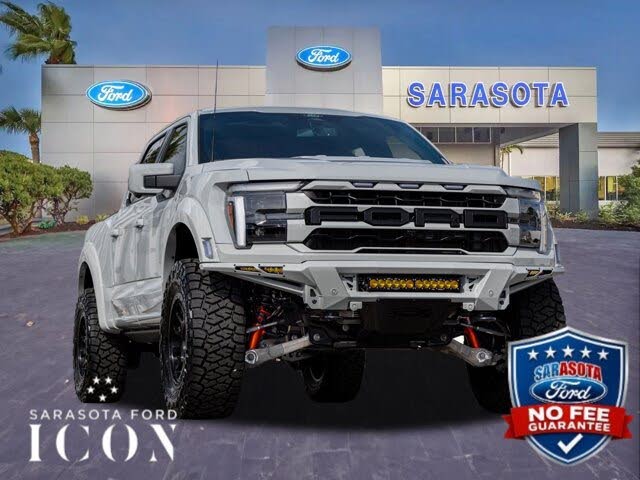
$135,707
2026 Raptor · White
3 mi · Sarasota, FL
View listing →
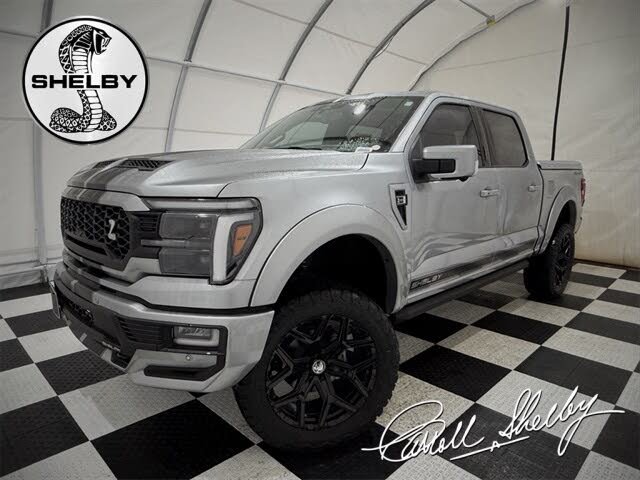
$99,711
2024 Lariat · Silver
5 mi · Seattle, WA
View listing →
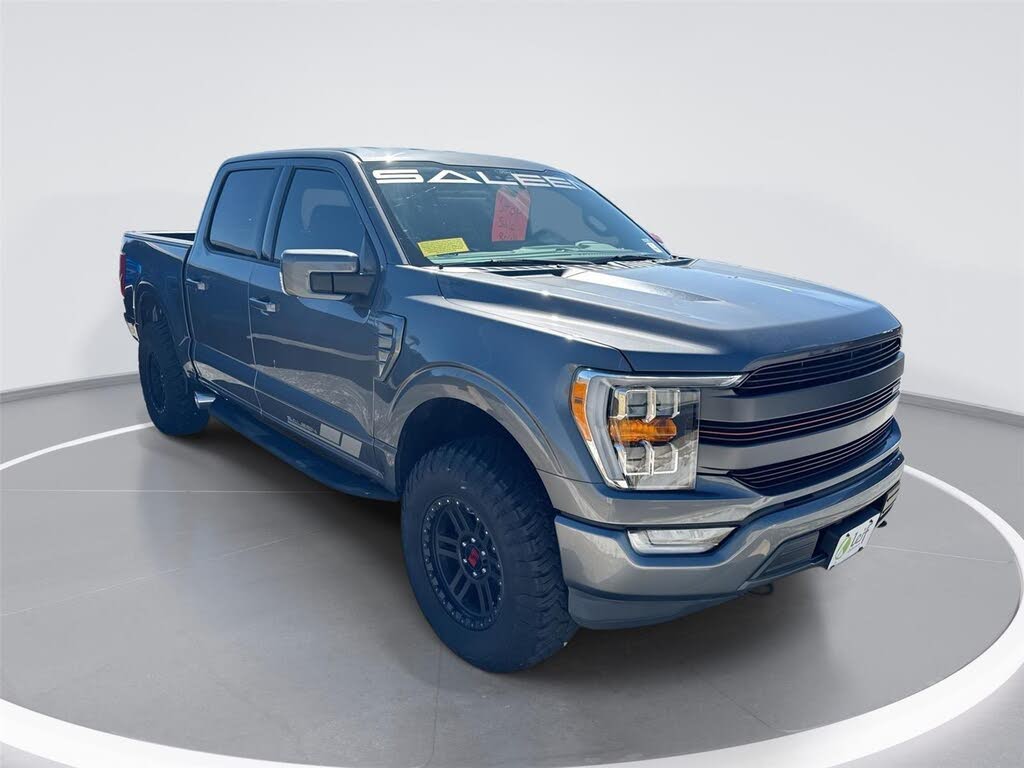
$80,215
2022 XLT · Gray
203 mi · Austin, TX
View listing →
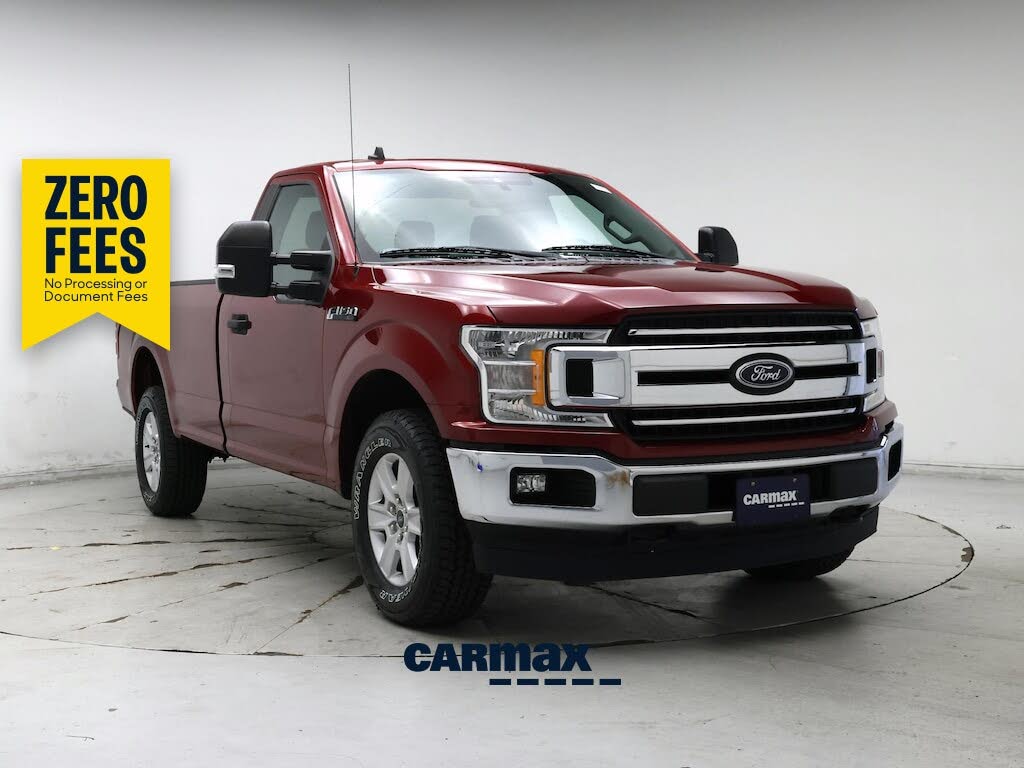
$34,998
2019 XL · Red
10,540 mi · Parker, CO
View listing →

$27,035
2017 XLT · Gray
45,824 mi · Leavenworth, KS
View listing →
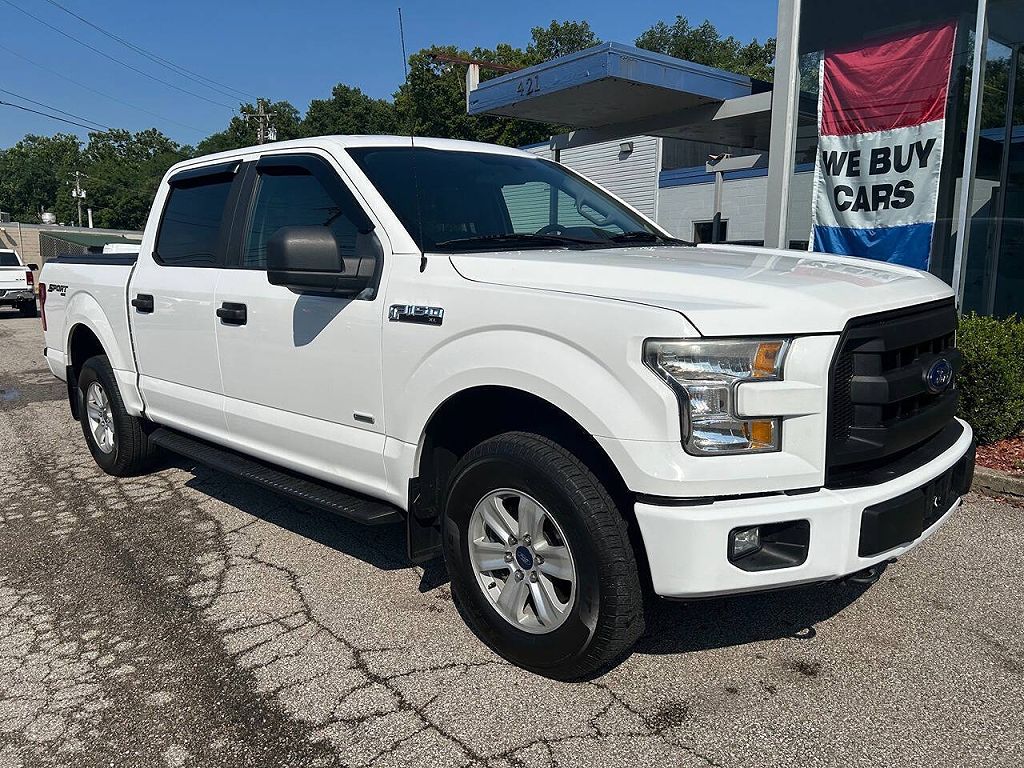
$25,480
2015 XLT · White
16,453 mi · Doylestown, PA
View listing →
Live dealer listings, refreshed periodically. Prices and availability change.
The 2021 F-150 is our best all-around search starting point. It begins the current generation and its listings average about 11,676 fewer miles than 2020 for a year-level median that is $4,930 more than 2020. That premium can be reasonable for buyers who value the redesigned cabin, available PowerBoost, and newer technology. It is not a universal answer. Match engine, cab, bed, drivetrain, axle, packages, trim, mileage, use history, and condition before comparing price.
Start with a 2016 XL or XLT. Its current all-trim median is about $18,410, with average mileage near 125,227. XL is the simpler work baseline and XLT adds common daily-use equipment. At this age and mileage, maintenance, frame and underbody condition, body-repair quality, towing history, tires, and inspection findings matter more than cosmetic options. Keep cash available for immediate service instead of buying at the top of the budget.
The 2020 has the stronger numbers in this dataset. Its median ask is only $2,762 more than 2019 while average mileage is about 8,284 miles lower. Both are updated 13th-generation trucks, so the comparison stays within one architecture. The average still mixes engines, cabs, beds, drivetrains, and Raptors. Match the full configuration and original equipment first. Use 2020 as the preferred search year, then let records, inspection, actual capability, and negotiated out-the-door price decide the truck.
Choose 2020 when you want the mature previous generation and the lower purchase price. Choose 2021 when the current-generation cabin, available PowerBoost hybrid, Pro Power Onboard, or newer connected features justify a median premium of $4,930 more than 2020 in this snapshot. The 2021 sample also averages about 11,676 fewer miles. Compare the same engine, cab, bed, drivetrain, and trim, then verify payload and tow equipment. A cleaner 2020 can still beat a poorly configured or overpriced 2021.
This dataset cannot answer that from a blended cross-year average. PowerBoost begins with the 2021 generation, so those trucks are newer and often differently equipped than the gas inventory. A raw retention comparison would mix age, trim, engine, original price, cab, mileage, and options. Compare same-year PowerBoost and gas trucks with similar configuration and condition. Then value fuel use, Pro Power Onboard, battery warranty timing, towing needs, and purchase premium. That use-case calculation is more defensible than calling either powertrain the resale winner.
Build a configuration sheet before comparing prices. Record model year, engine, transmission, cab, bed length, two- or four-wheel drive, axle ratio, payload from the yellow door label, towing packages, trim, major options, mileage, accident history, owner and use history, tires, and modifications. Then obtain the original window sticker or build data and compare each asking price with similarly equipped trucks, not the nameplate median. Separate Raptors and Tremors from ordinary XL, XLT, or Lariat inventory. For PowerBoost, record the Pro Power Onboard output and warranty timing. Finally, inspect the hitch, bed, frame, underbody, suspension, leaks, body repair, and tire wear, and convert immediate needs into dollars. If one truck lacks the payload, cab, bed, or towing equipment your use requires, it is not cheaper in any meaningful sense. Compare financing and dealer fees only after the physical trucks have been reduced to a genuinely like-for-like shortlist. Missing build data is itself a sound reason to keep shopping rather than guess about capability.
35.9% of F-150 listings in this dataset exceed 100,000 miles, while trucks at 120,000 miles or more have a median ask around $18,952. That is inventory prevalence, not a survival rate. A high-mileage truck can make sense with complete records, a clean frame and structural inspection, and enough discount for tires, brakes, suspension, fluids, leaks, and drivetrain work. The inspector should also look for hard towing, payload, off-road, and modification evidence.
Our mileage-adjusted fitted curve estimates about 32.5% depreciation after five years, leaving roughly 67.5% of original value. The estimate uses 2,463 current listings and a common asking-to-sale adjustment. It is a nameplate-level trajectory, not a quote for one truck. Original price and resale depend heavily on engine, cab, bed, drivetrain, axle, packages, trim, mileage, condition, prior use, and local demand. Calculate expected dollar loss from the exact configuration and price you negotiate.
Depreciation is computed from 1,754 real used-car listings. Each listing's asking price is normalized to a standard 12,000 miles per year for the vehicle's age, adjusted by a 5% asking-to-sale estimate, and compared against the original base MSRP for that VIN's trim. Headline 1/3/5-year figures reflect a smoothed retention curve fitted across all model years (the typical trajectory); individual years in the table above can run above or below it with market conditions. Full methodology. Updated August 2026.